National Council for Human Rights Visits El-Khanka Mental Health and Addiction Treatment Hospital
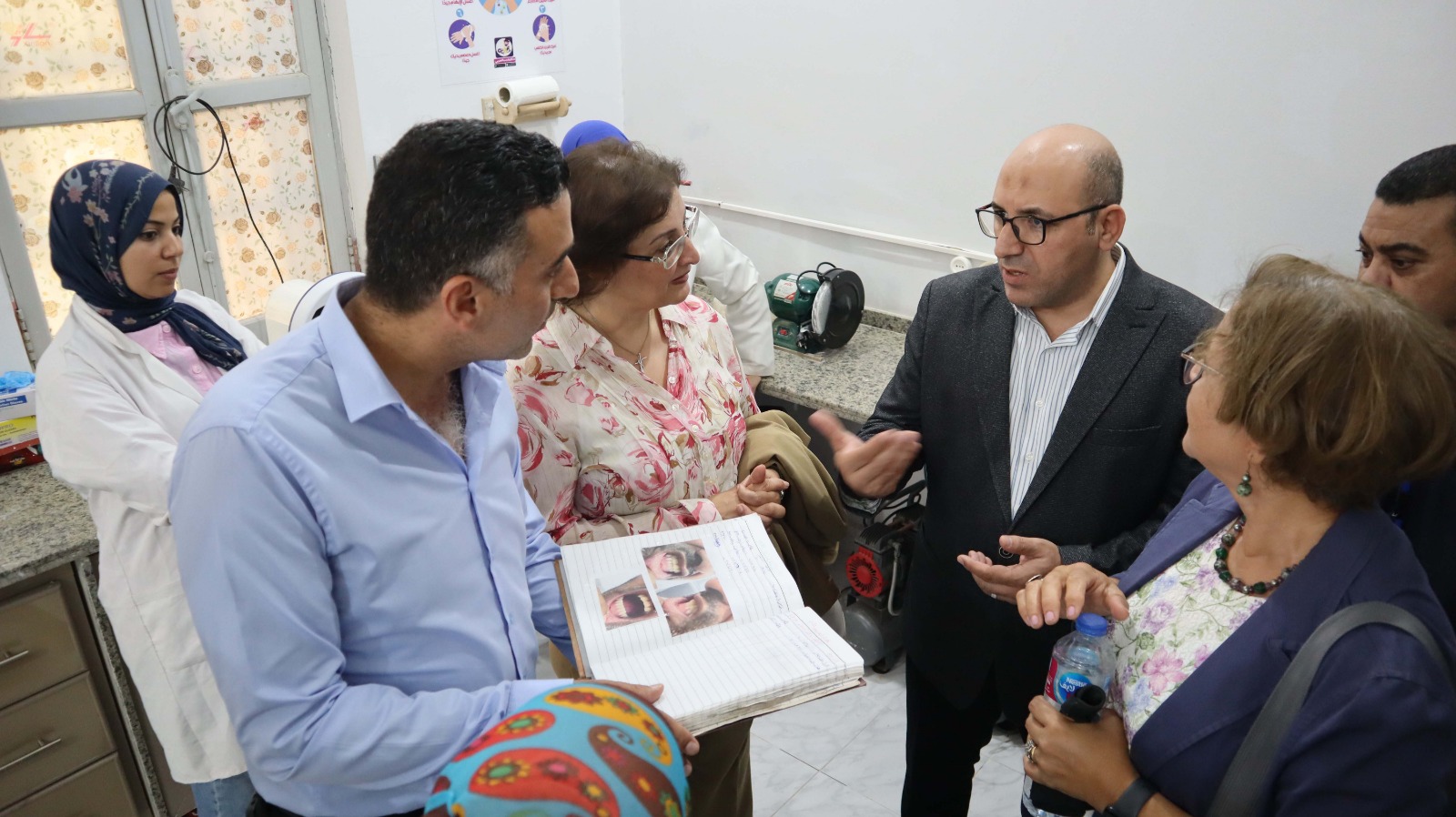
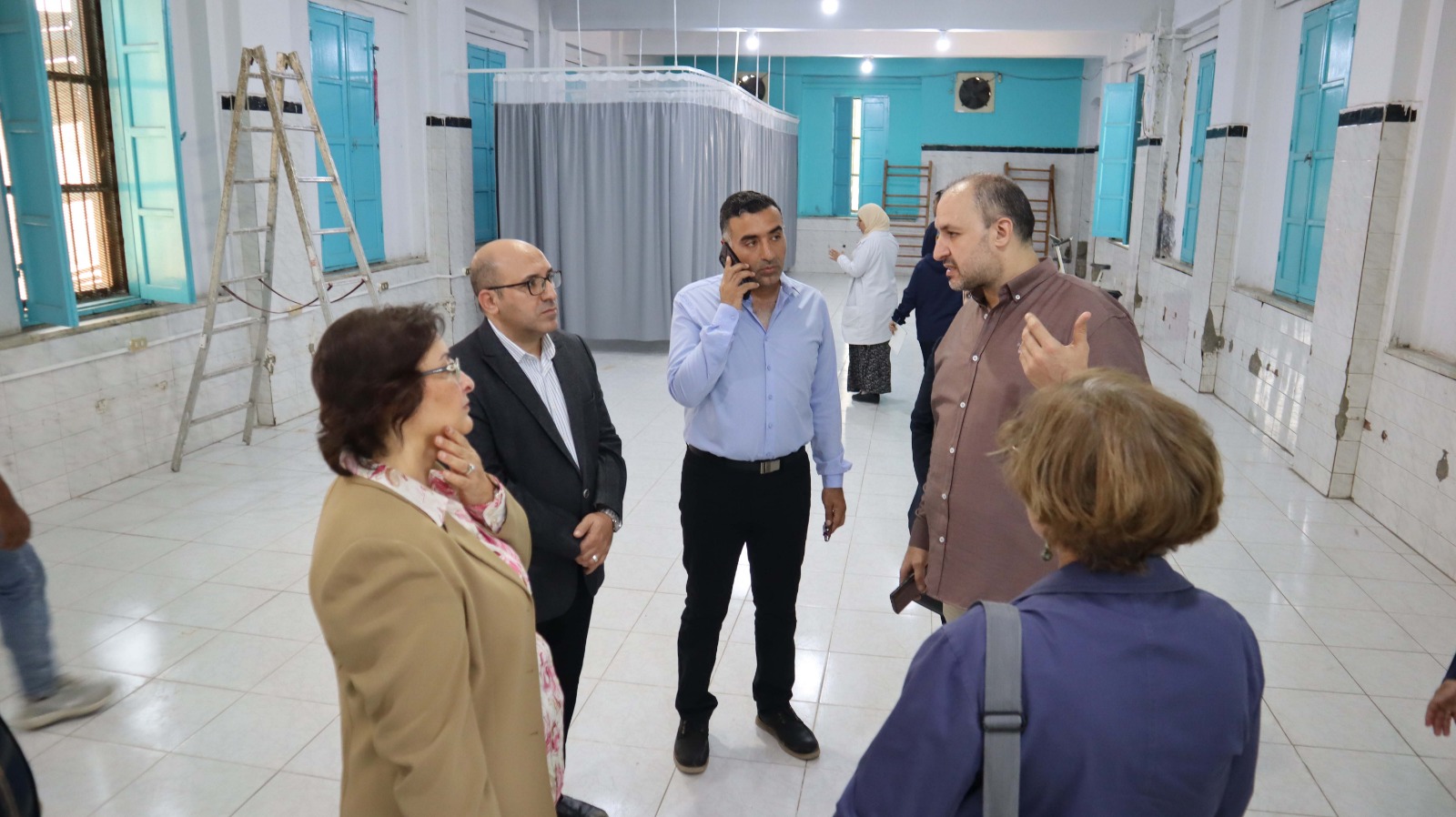
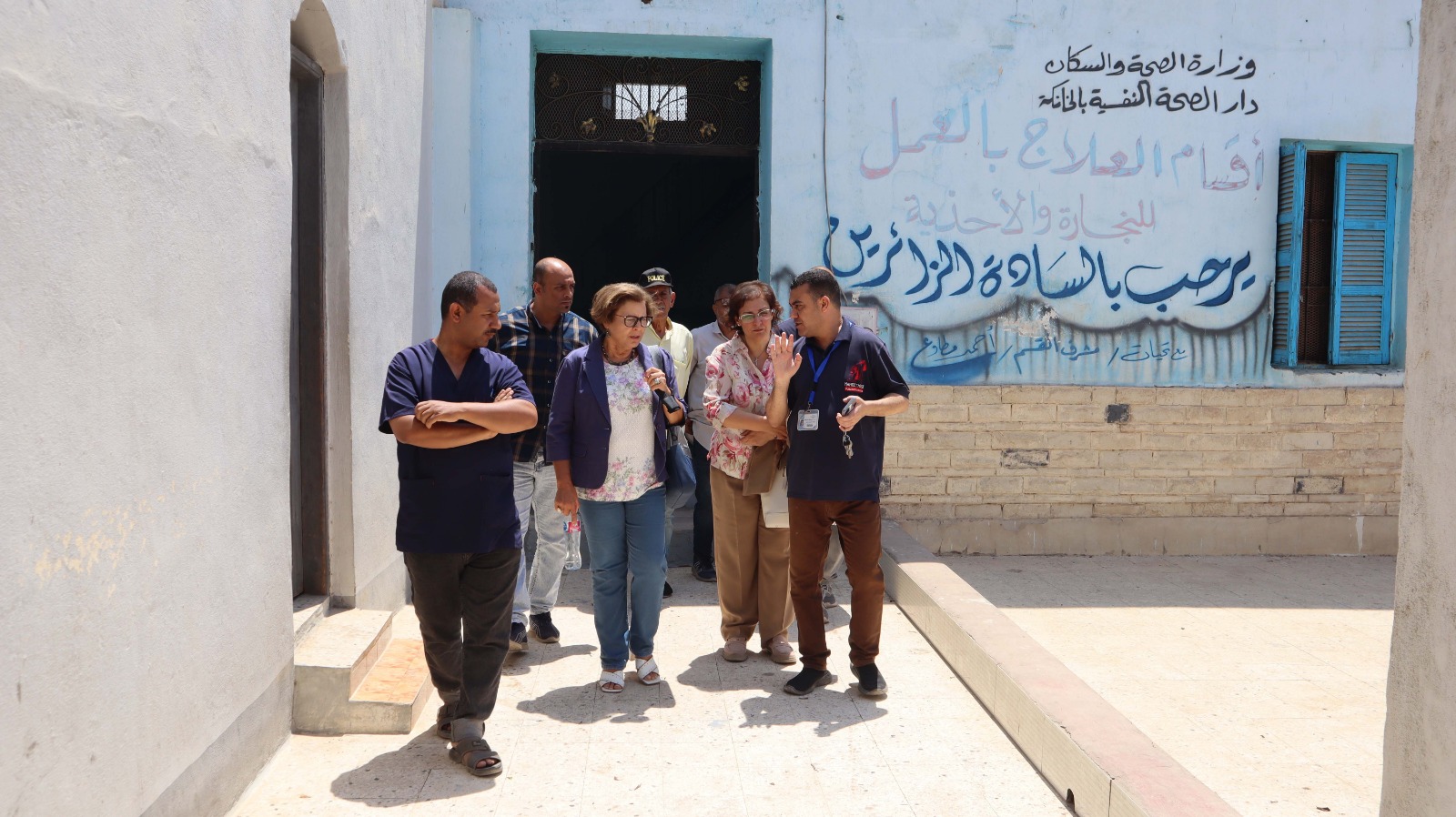
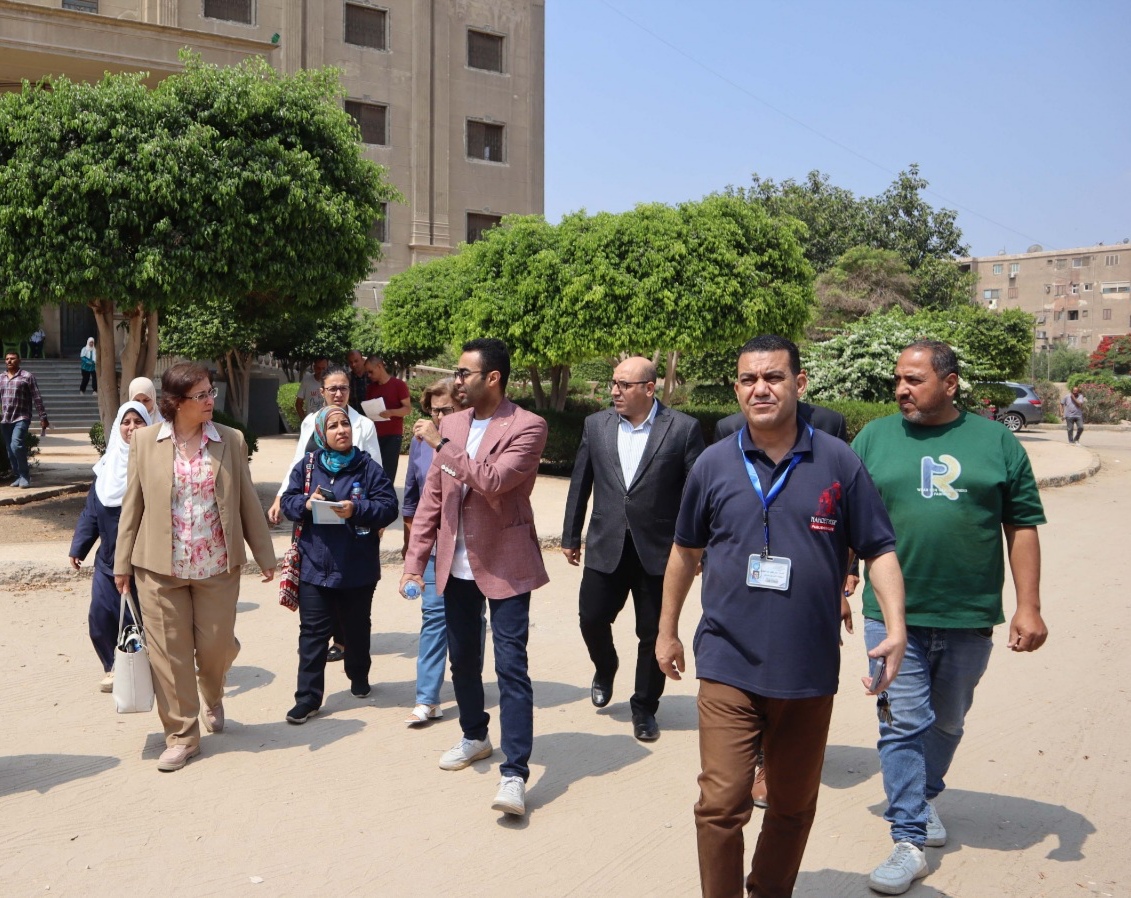
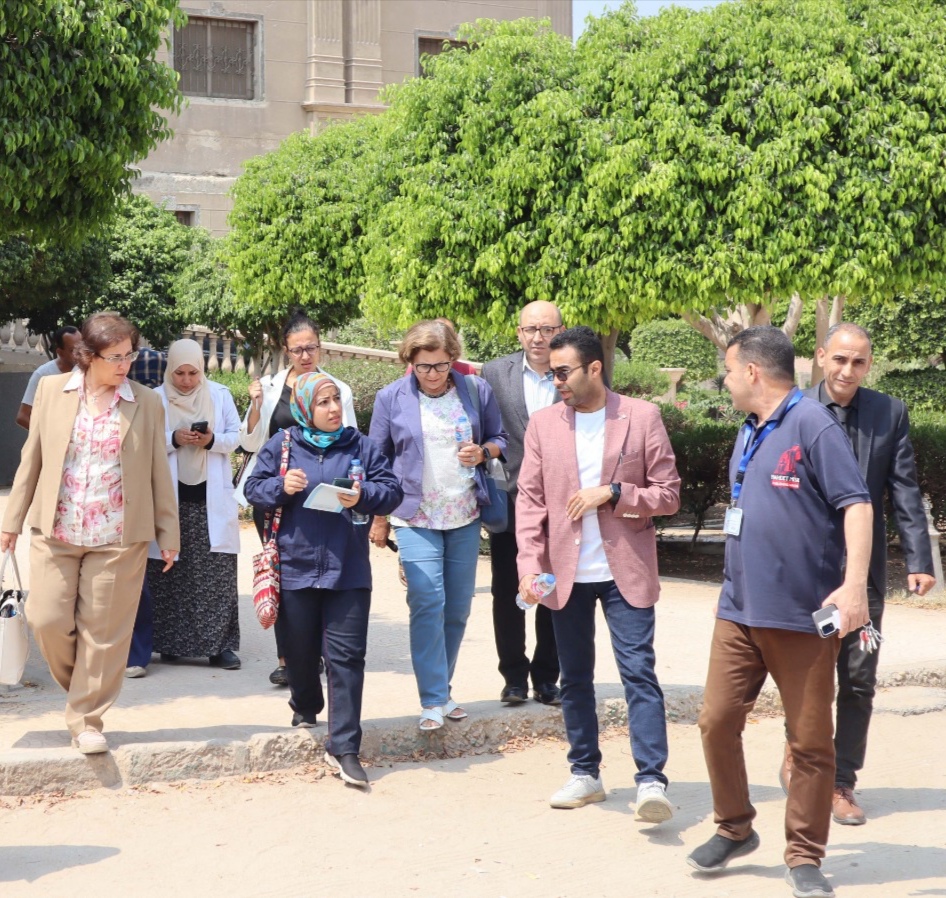
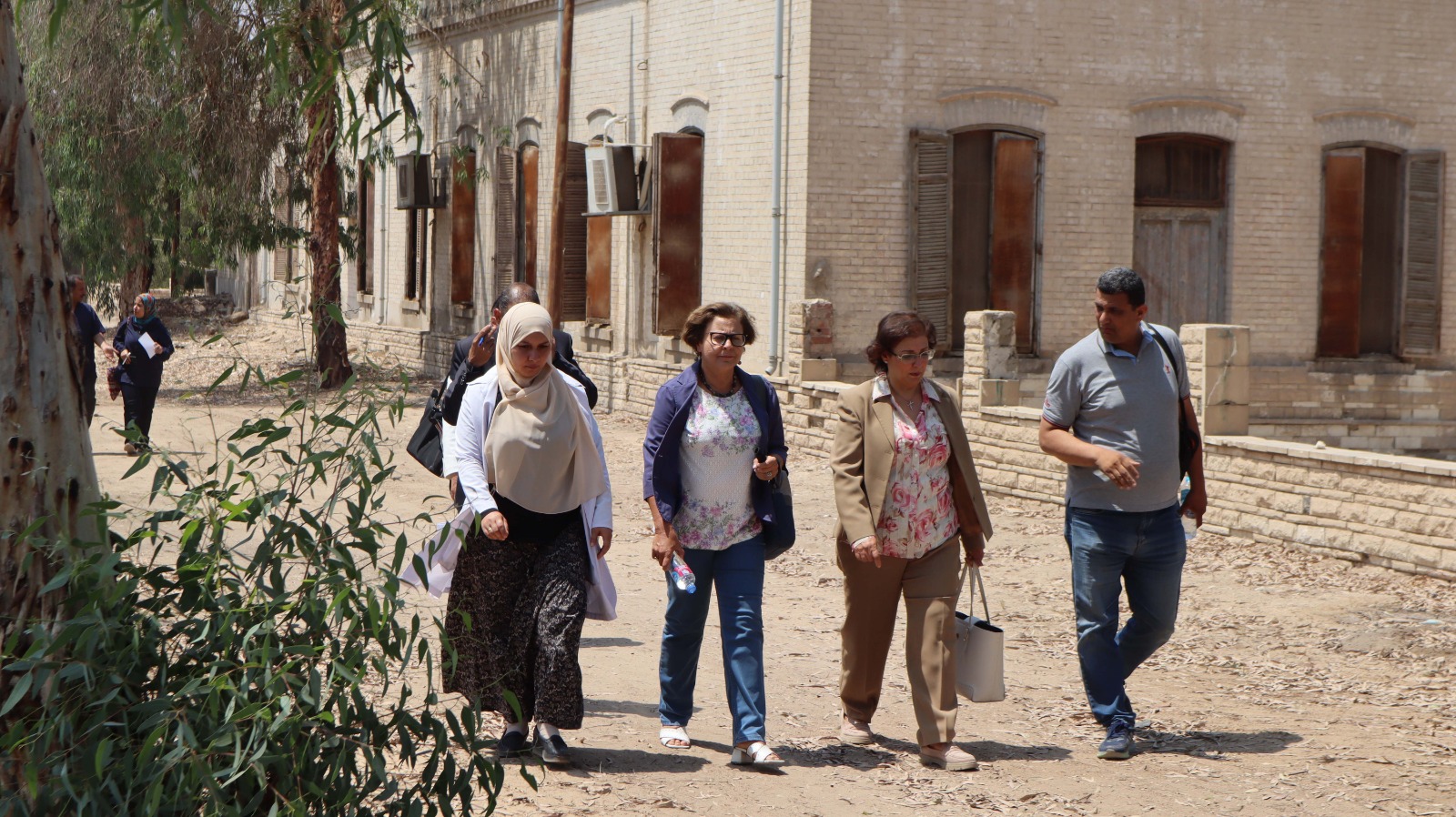
As part of its ongoing efforts to monitor mental health institutions and promote the right to health, and in implementation of the work plan of its Social Rights Committee, a delegation from the National Council for Human Rights (NCHR) conducted a field visit to El-Khanka Mental Health and Addiction Treatment Hospital.
The delegation included Dr. Wafaa Benjamin, Secretary of the Social Rights Committee, and Dr. Howaida Adly, member of both the Social Rights Committee and the Civil and Political Rights Committee. The visit was attended by Dr. Ayman Abbas, Head of the Central Administration of the General Secretariat for Mental Health and Addiction Treatment at the Ministry of Health and Population, as well as Dr. Salah Gad, Director of the Hospital, together with a number of medical and administrative staff members.
During the visit, the Council emphasized the importance of strengthening rehabilitation and community-based support services for persons with mental health conditions and individuals recovering from addiction, with a view to ensuring continuity of care and facilitating their reintegration into society, particularly in cases where family or social support may be limited.
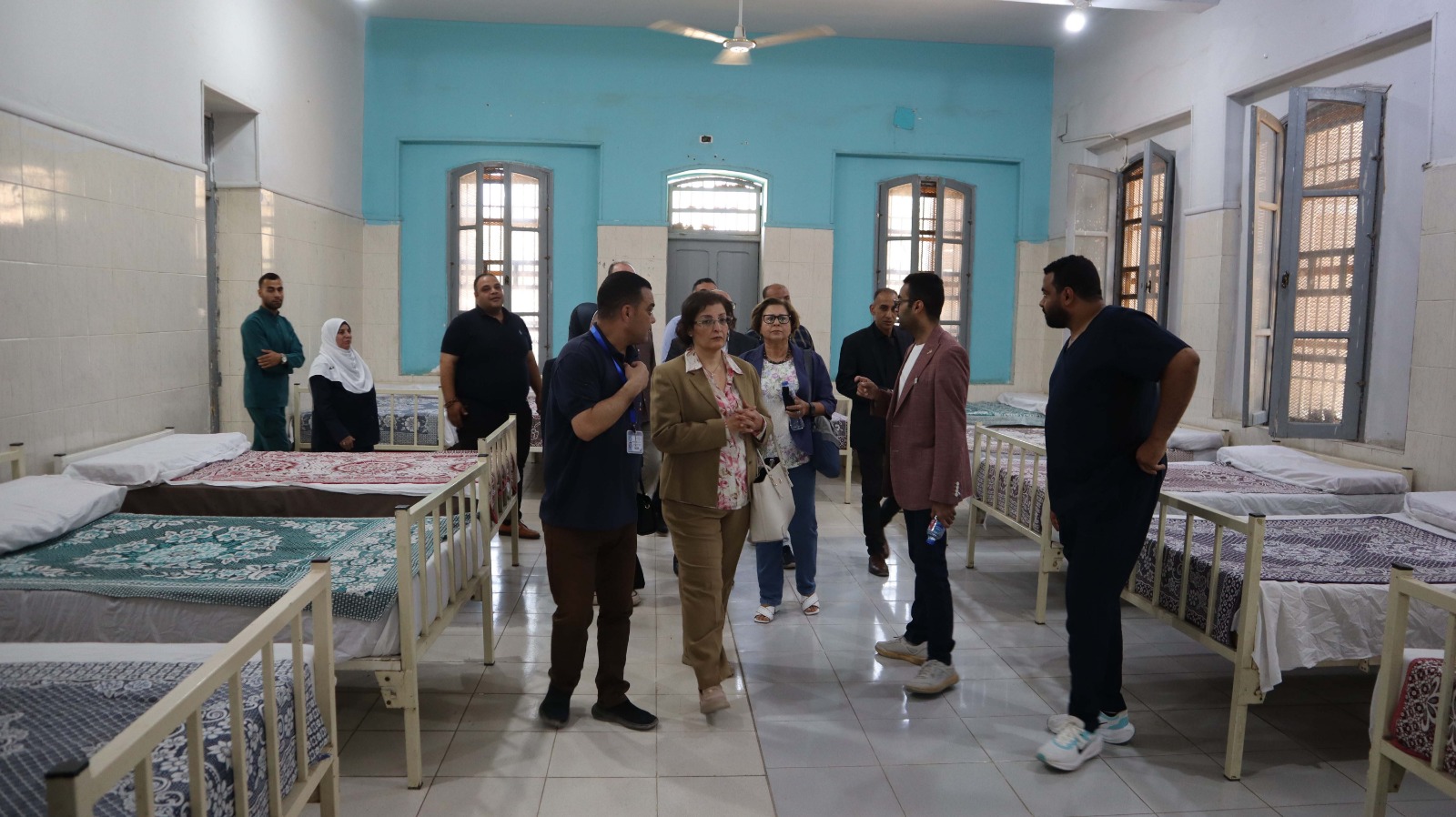
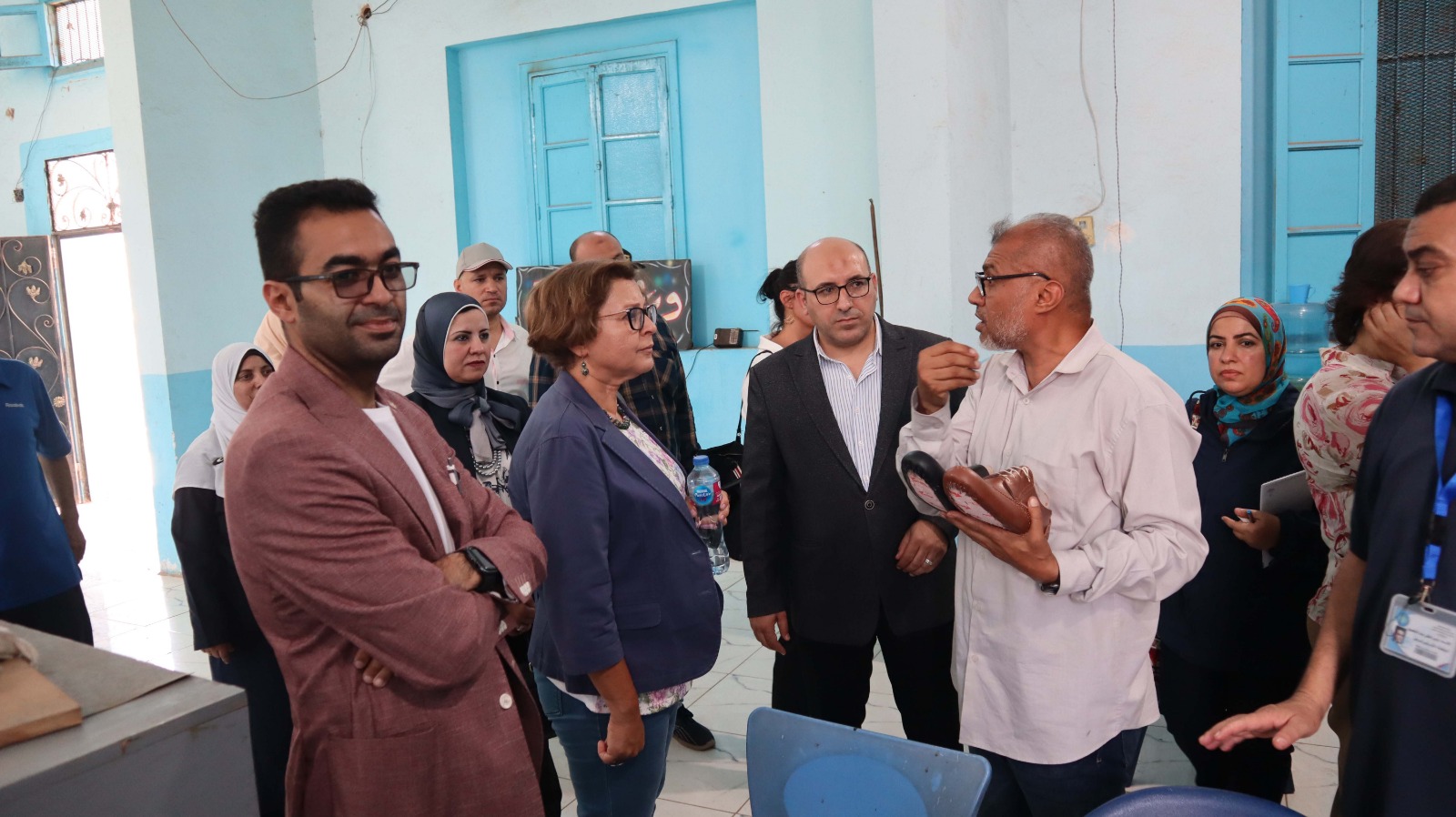
The delegation reviewed the services provided by the hospital, which includes 30 treatment units and offers medical consultations, treatment, diagnostic examinations, and medication free of charge. The delegation also toured the outpatient clinics and reviewed ongoing development and modernization projects within the facility.
The visit included a tour of several treatment and rehabilitation units, including voluntary and involuntary inpatient wards for men, psychiatric rehabilitation departments, and child and adolescent clinics. The delegation observed patients’ living conditions, reviewed a number of treatment plans and case files, and assessed opportunities for recreation, family visits, and communication with relatives as part of efforts to maintain family and social ties.
The delegation also met with a number of patients to gain a better understanding of the quality of services and treatment programmes available to them, as well as the extent to which they enjoy a safe and dignified therapeutic environment. Throughout the visit, the Council adhered to the highest standards of privacy and personal data protection by refraining from publishing any photographs of patients.
The tour further included units housing patients admitted pursuant to judicial decisions and court orders, where the delegation reviewed accommodation conditions and the healthcare and support services provided to them as part of the Council’s monitoring of safeguards related to patients’ rights within treatment institutions.
At the conclusion of the visit, the Social Rights Committee recommended the continued development of the hospital’s infrastructure, the strengthening of its medical and technical capacities, and an increase in the number of qualified healthcare professionals and specialized staff in order to enhance the quality of services provided to patients.
The Committee also noted that it is preparing a comprehensive report on the visit, outlining its key observations and recommendations as part of the Council’s ongoing efforts to monitor mental health institutions and promote the rights of patients within them.
 English
 Arabic
 French
 Web Accessibility Toolbar